Sam Krüger · 2 September 2026
Forging New Paths: Regional German Productions Connect with Asian Markets Through Strategic Partnerships
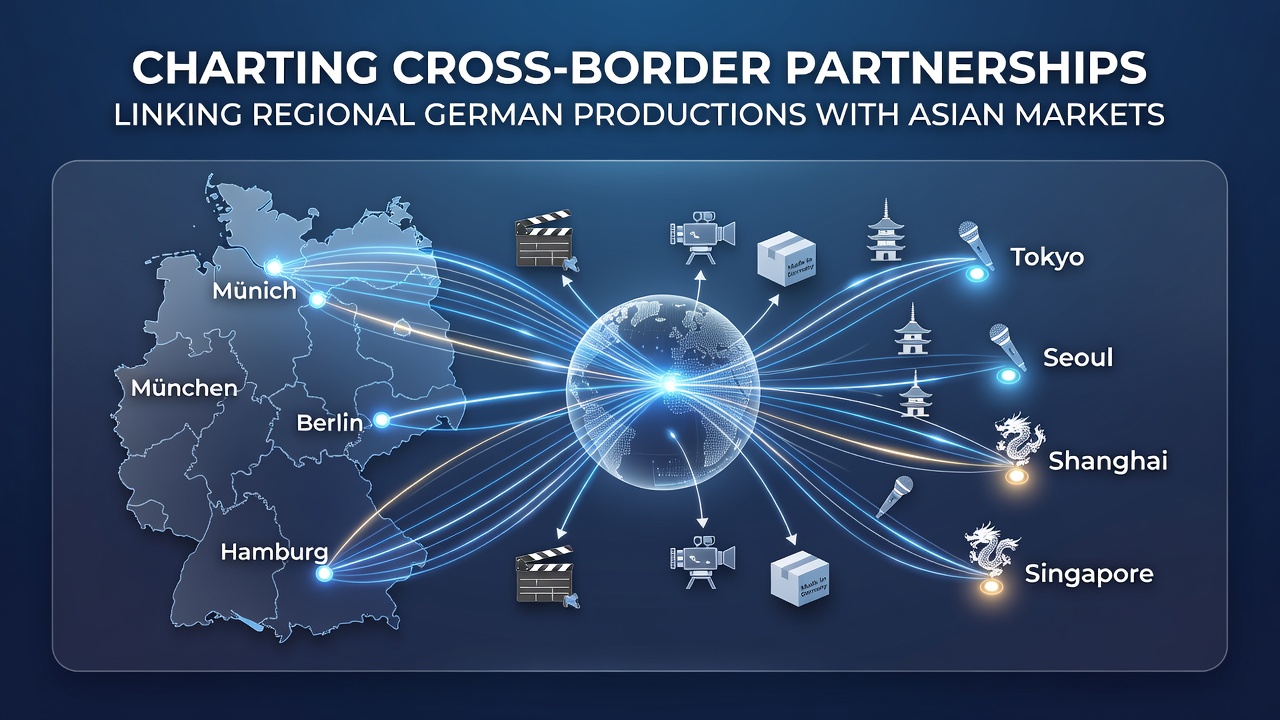
Regional German productions have expanded their reach into Asian markets through targeted co-production agreements and distribution arrangements that build on established funding structures in states such as Bavaria and North Rhine-Westphalia. These partnerships often combine German technical expertise with Asian financing and local talent pools, creating projects that address both European and East Asian audience preferences while meeting regulatory requirements in multiple jurisdictions.
Current Landscape of German-Asian Film Collaborations
Industry data shows that co-production volumes between German regional entities and Asian partners increased steadily from 2022 through 2025, driven by tax incentive alignments and festival platform access. Observers note that funds from German regional film boards now frequently support projects that include Asian shooting locations or post-production facilities, which helps reduce costs and opens pathways for theatrical or streaming release in territories such as South Korea, Japan, and Singapore. Researchers at the European Audiovisual Observatory documented that German-Asian joint ventures accounted for a measurable share of minority co-productions involving European countries during this period.
What's interesting is how regional German producers have adapted to Asian market entry points. Rather than relying solely on major Berlin or Munich hubs, smaller production companies in cities like Cologne and Stuttgart have secured deals that route projects through film markets in Busan and Tokyo. These arrangements often involve shared intellectual property rights and staggered release windows, allowing German films to test Asian theatrical demand before wider European distribution.
Key Mechanisms Driving Cross-Border Deals
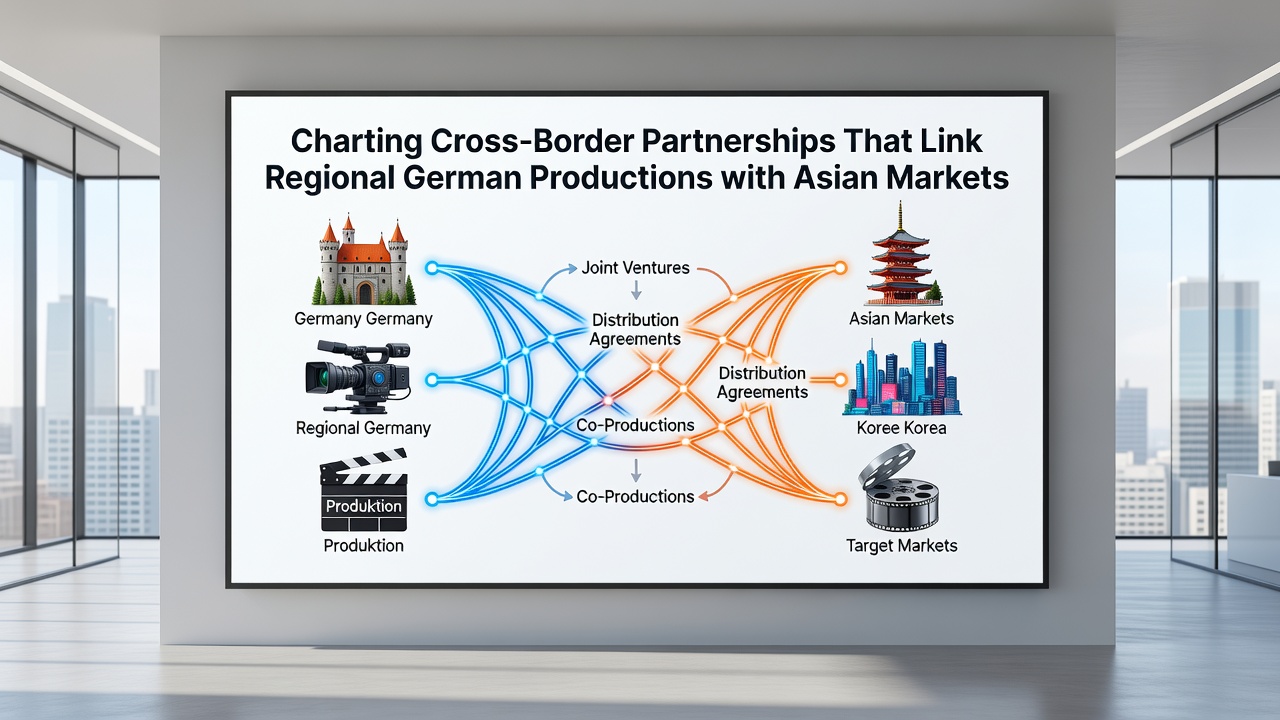
Partnership frameworks typically rest on three elements: aligned subsidy rules, festival premieres that generate buyer interest, and direct distribution pacts with Asian streamers or exhibitors. Data from the German Federal Film Board indicates that projects incorporating Asian partners received supplementary financing through bilateral treaties that treat co-productions as national works in both regions. This status unlocks additional support mechanisms without requiring full relocation of creative control.
Take one initiative scheduled for September 2026, when the Asia-Europe Film Finance Forum plans to host dedicated matchmaking sessions for regional German producers and counterparts from Thailand, Vietnam, and Indonesia. Organizers expect these sessions to formalize at least a dozen new development agreements, building on pilot programs that ran in 2024 and 2025. Such events serve as concrete venues where contracts move from preliminary talks to signed memoranda, often covering script development, casting flexibility, and marketing split responsibilities.
But here's the thing: success depends on navigating content regulations and cultural adaptation requirements that differ sharply across Asian territories. German productions entering these markets must often adjust runtime, incorporate local language versions, or modify narrative elements to comply with rating systems. Industry organizations such as the Asia Pacific Screen Association have published guidelines that outline common compliance steps, helping producers anticipate review processes before principal photography begins.
Examples of Recent Successful Linkages
One case involved a Bavarian production company that partnered with a Seoul-based distributor for a drama series shot partly in the Black Forest and partly in Jeju Island. The project secured German regional funding plus Korean production rebates, then premiered at a European festival before rolling out on an Asian streaming platform. Similar patterns appear in documentary work, where German regional crews contribute cinematography and sound design while Asian partners handle local research and narration tracks.
Figures from trade reports reveal that streaming services headquartered in Singapore and Tokyo have increased licensing of German independent titles by roughly 18 percent year-over-year between 2023 and 2025. This growth stems from demand for European content that features distinctive regional settings rather than generic urban backdrops. Producers who maintain long-term relationships with Asian acquisition teams report faster turnaround on renewal options and sequel discussions.
Regulatory and Logistical Considerations
Cross-border partnerships must satisfy both EU audiovisual media directives and individual Asian content quotas. Experts at the Council of Europe have noted that treaty-based co-productions receive preferential treatment under many bilateral agreements, yet producers still track changes in foreign ownership rules and censorship guidelines. Legal teams frequently consult databases maintained by national film commissions in Germany and target Asian countries to verify eligibility before contracts finalize.
Logistics around talent mobility and equipment transport add another layer of planning. Visa frameworks between Germany and several Asian nations now include streamlined categories for film crews on approved projects, reducing delays that previously affected tight production schedules. Insurance providers have also developed specialized riders that cover equipment movement across multiple time zones and climate zones typical of combined European-Asian shoots.
Conclusion
Regional German productions continue to establish durable connections with Asian markets through structured partnerships that blend financing, creative input, and distribution planning. These arrangements rest on verifiable treaty mechanisms, festival visibility, and ongoing dialogue between producers and regulators on both continents. As the September 2026 finance forum approaches, additional projects are expected to move from development into active production, further embedding German regional output within broader Asian exhibition and streaming ecosystems.