Sam Long · 28 October 2026
Kinora Support Fuels Shift Toward Eco-Conscious Production Methods in Germany's Regional Film Sector
Regional German filmmakers who receive grants through Kinora programs have integrated sustainability measures that alter every stage of their production workflows, from pre-production planning to final distribution. These changes address energy consumption, material waste, and transportation demands while preserving creative flexibility for independent projects across Bavaria, Saxony, and North Rhine-Westphalia.
Core Practices Adopted by Supported Productions
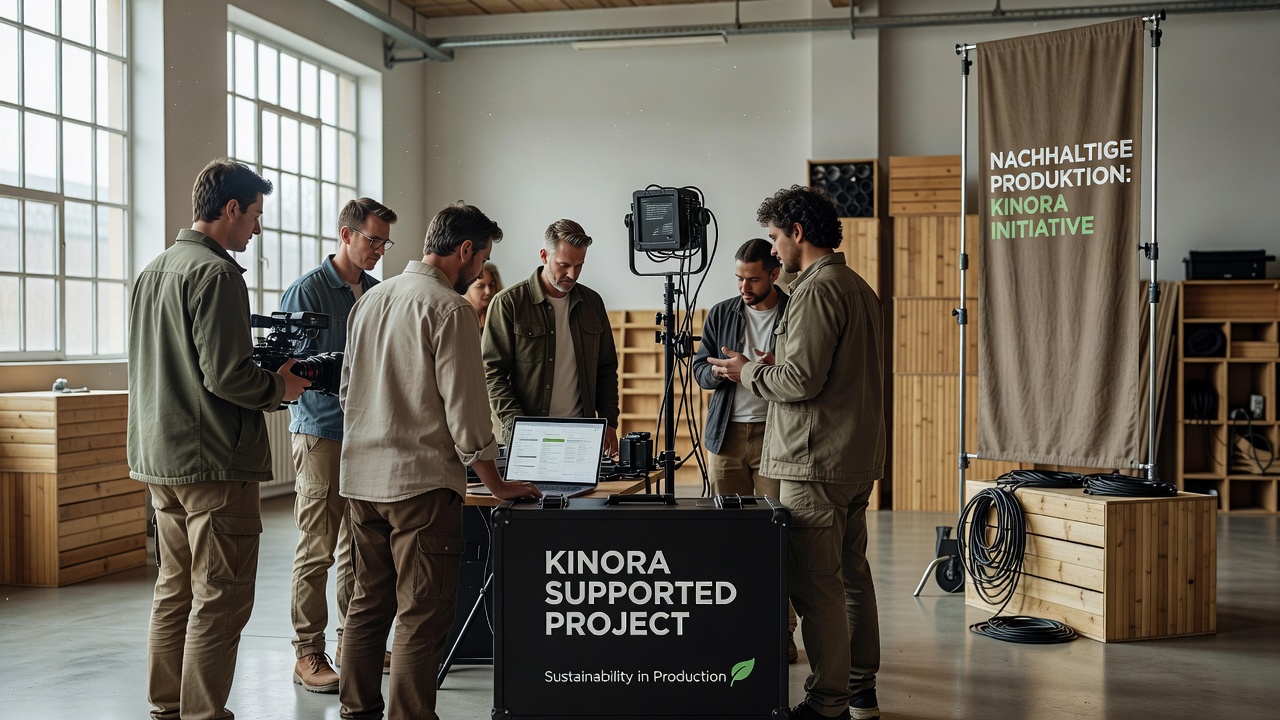
Data from production logs shows that teams now prioritize digital pre-visualization tools to minimize on-site rehearsals, which cuts both fuel use for crew travel and the number of physical sets constructed. Equipment suppliers report increased demand for LED lighting arrays and battery systems charged through renewable sources, replacing traditional generators at many regional shoots. One project in the Black Forest region replaced single-use plastics with reusable modular sets that travel between multiple productions, a workflow adjustment made possible through shared resource pools coordinated by Kinora administrators.
Local sourcing of catering and wardrobe materials has become standard, reducing long-haul shipping emissions while supporting nearby economies. Crews schedule shoots in tighter geographic clusters, relying on electric vehicles for equipment transport where infrastructure permits. These adjustments require updated call sheets and revised budgeting templates that Kinora advisors provide during grant application workshops.
Workflow Changes in Pre-Production and Shooting Phases
Pre-production now includes mandatory carbon accounting sessions where producers map expected emissions against available offsets. Software platforms track water usage on set and suggest alternatives such as dry cleaning methods for costumes. During principal photography, teams employ quiet electric drones for aerial footage instead of helicopters, a substitution that also lowers noise pollution in rural filming locations. October 2026 marks the rollout of an updated Kinora reporting dashboard that lets filmmakers compare their metrics against anonymized regional averages, encouraging incremental improvements across cycles.
Post-Production and Distribution Adjustments
Editors work with cloud-based systems that operate on certified green data centers, decreasing the need for energy-intensive local render farms. Distribution strategies favor hybrid premieres that combine limited physical screenings with virtual platforms, cutting the carbon footprint associated with festival travel. Archivists have begun embedding sustainability metadata into digital files so future restorations can reference original low-impact methods.
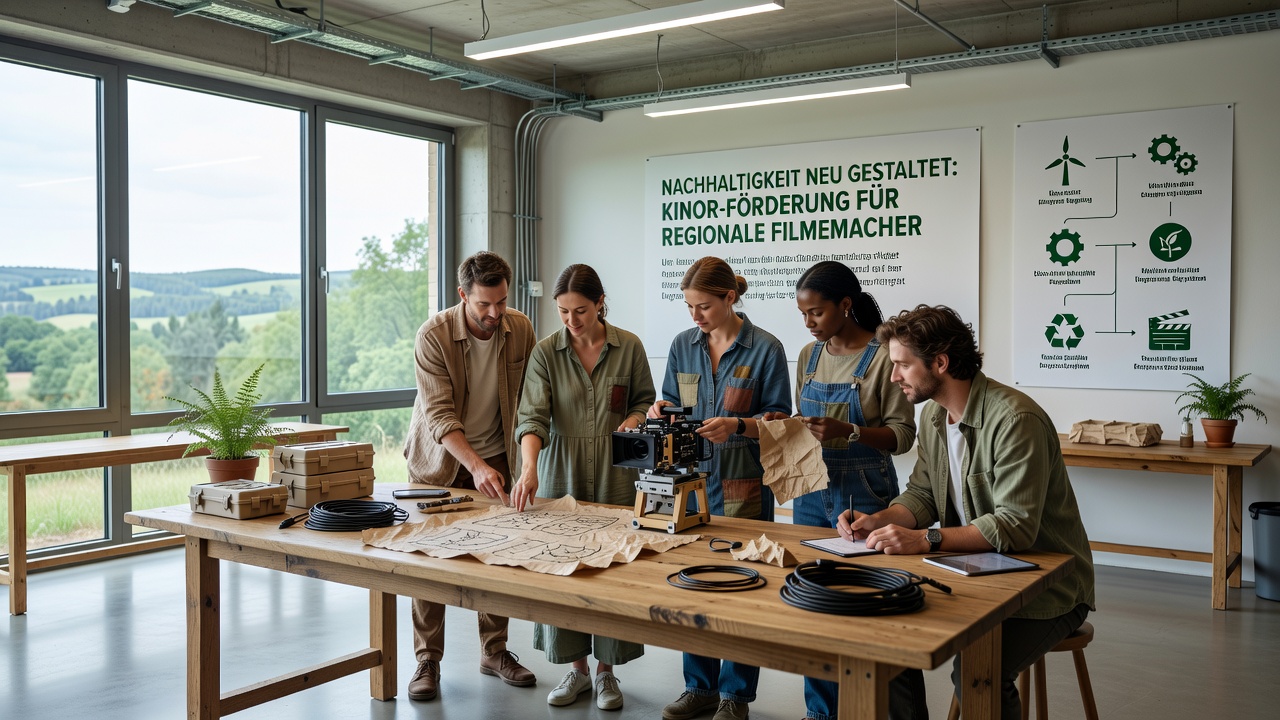
Research from the German Federal Ministry for the Environment indicates that similar practices across creative industries have lowered average project emissions by measurable percentages when tracked over multiple years. A separate analysis published by the European Audiovisual Observatory links grant conditions that reward sustainability to higher rates of innovation in equipment sharing networks among smaller production companies.
Training and Knowledge Sharing Across Regions
Kinora organizes quarterly virtual roundtables where cinematographers from different federal states exchange practical tips on maintaining image quality under restricted power budgets. These sessions have produced open-source checklists that new grant recipients adapt to their specific landscapes, whether mountainous terrain in the Alps or urban settings in Hamburg. Observers note that experienced line producers often mentor emerging talent on balancing sustainability targets with tight shooting days, turning abstract goals into daily operational routines.
Conclusion
Kinora-supported regional filmmakers continue to refine these workflows as new technologies and measurement tools become available. The cumulative effect appears in revised production timelines, altered vendor relationships, and expanded collaboration between previously isolated regional hubs. Ongoing documentation of results will determine how these methods scale to larger national projects in coming years.